In today's era of rapid development in digital display technology, screens have long transcended the simple scope of "displaying information" and evolved into a core medium for shaping spaces, conveying emotions, and creating immersive experiences. Today, we will explore the evolution of three screen forms: from ordinary screens to creative screens, and then to the disruptive Kinetic screens, revealing how they have continuously broken boundaries and brought visual storytelling into a new dimension.
Act 1: Static Canvas – Ordinary LED Screens
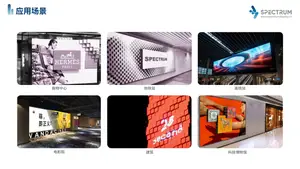
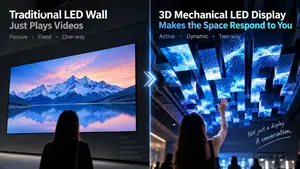
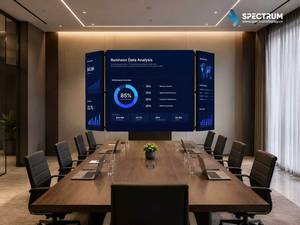
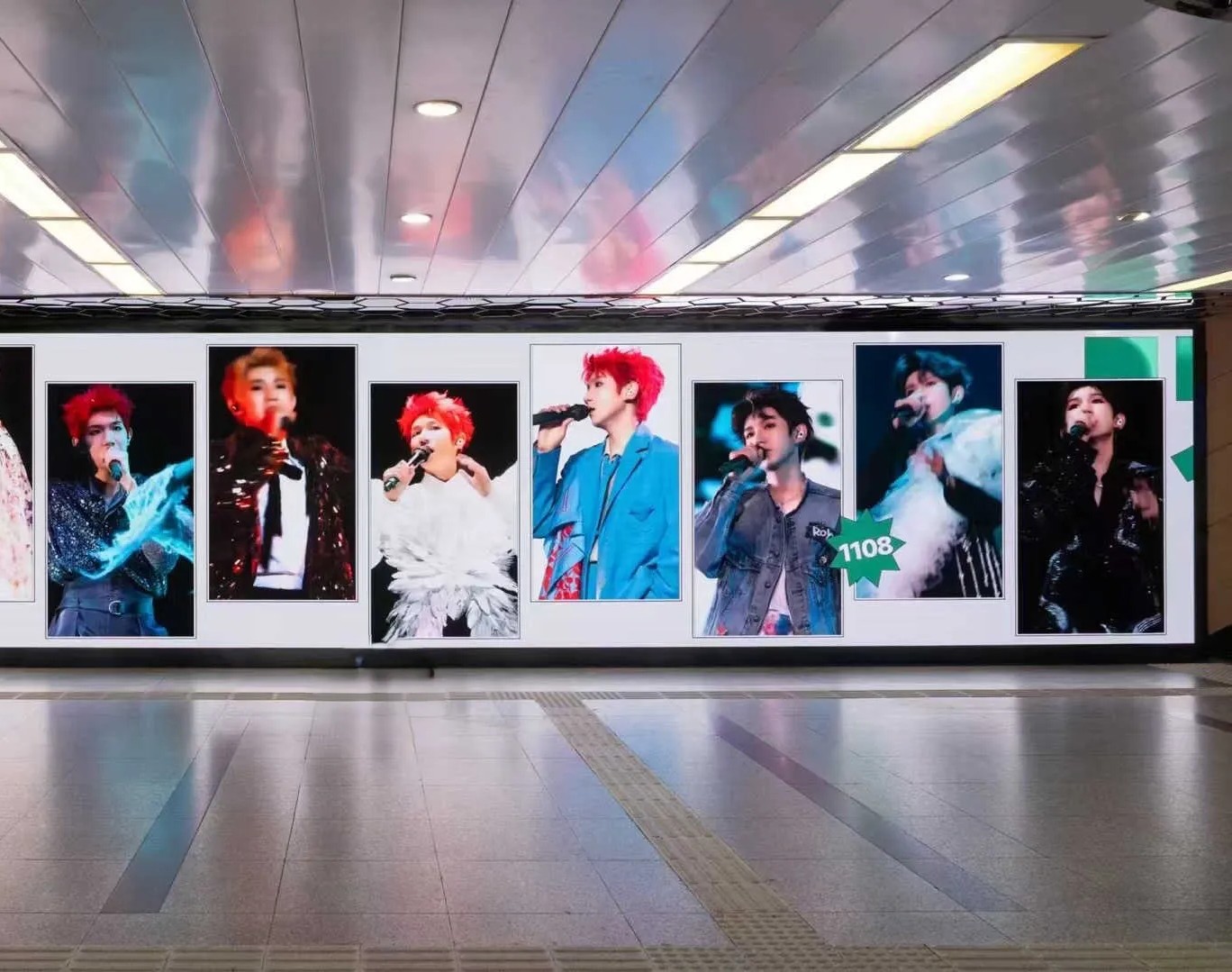
Ordinary LED screens are the most familiar form of digital display. Essentially, they are a static, flat pixel matrix. Whether it's indoor fine-pitch LED screens or outdoor large advertising screens, their core function is to passively play pre-set 2D video or image content.
Core Features: Fixed, flat, one-way output.
Advantages: Mature technology, controllable cost, clear and bright display effect, making it a reliable carrier for information release and content display.
Limitations: The experience is purely visual, and the screen itself is a fixed object in space. It cannot interact with the physical environment, nor can it easily bring surprises in form, and is prone to homogenization of "monotonous urban landscapes".
Ordinary screens are the "canvases" of the digital world, but they are just unchanging paintings.

Act 2: Breaking the Frame – Creative Special-Shaped Screens
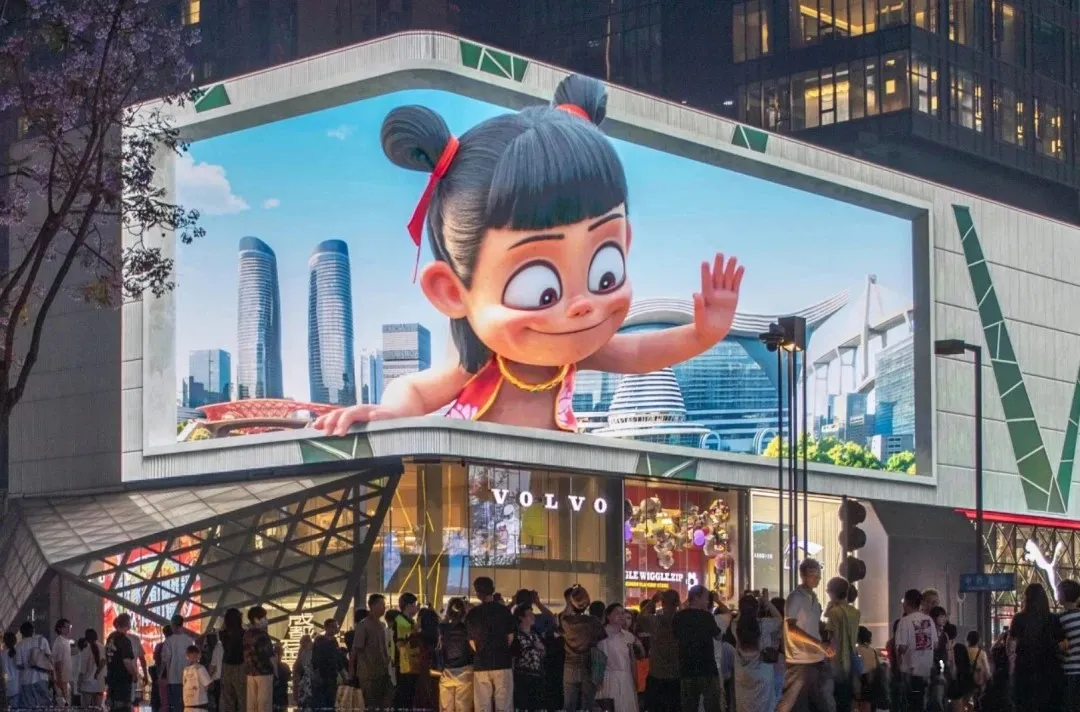
To break the constraints of rectangles, creative screens emerged as the times require. Through innovations in form, they upgrade the screen from a "canvas" to a "sculpture".
Core Features: Static, but with a unique 3D form.
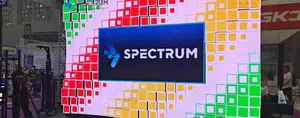
Diverse Forms: Including curved screens, cylindrical screens, spherical screens, wavy walls, and even irregular video walls integrated with architectural structures.
Advanced Aspects: Through unique shapes, creative screens better integrate with architectural aesthetics, creating an initial sense of enclosure and an immersive environment. They begin to dialogue with the space and become part of the space design.
Core Limitations: Despite the diverse forms, once installed, their physical shape becomes fixed. Essentially, they are still static carriers, and all dynamic effects still need to be simulated by the video content inside the screen.
Creative screens are the "decorative art" of space; they shape the form but have not yet gained life.
Act 3: Endowing Life – Kinetic Screens
If creative screens break the static nature of space, then Kinetic screens break the static nature of time and form, turning the screen itself into a dynamic mechanical sculpture that can "perform". This is a fundamental leap from "displaying" to "performing".
The core revolution of Kinetic screens lies in endowing flat LED screens with the ability to perform physical movement along the Z-axis (depth direction).
1. Hardware Revolution: From Pixels to Motion Units
Kinetic screens are no longer simple collections of LED beads. Their basic physical unit is the "motion unit" — each unit integrates a complete LED display module and a set of precision linear motor drive mechanisms. Hundreds or even thousands of such units are spliced into a large screen through standard cabinets (such as 500mm x 500mm specifications). Each unit can independently and accurately expand and contract under control (for example, with a maximum stroke of 200mm), thereby realizing the physical deformation of the screen surface.
2. Experience Revolution: From Watching Content to Experiencing Entities
This brings an unprecedented experience:
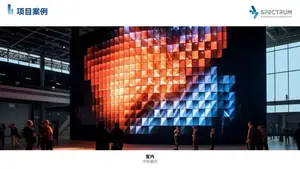
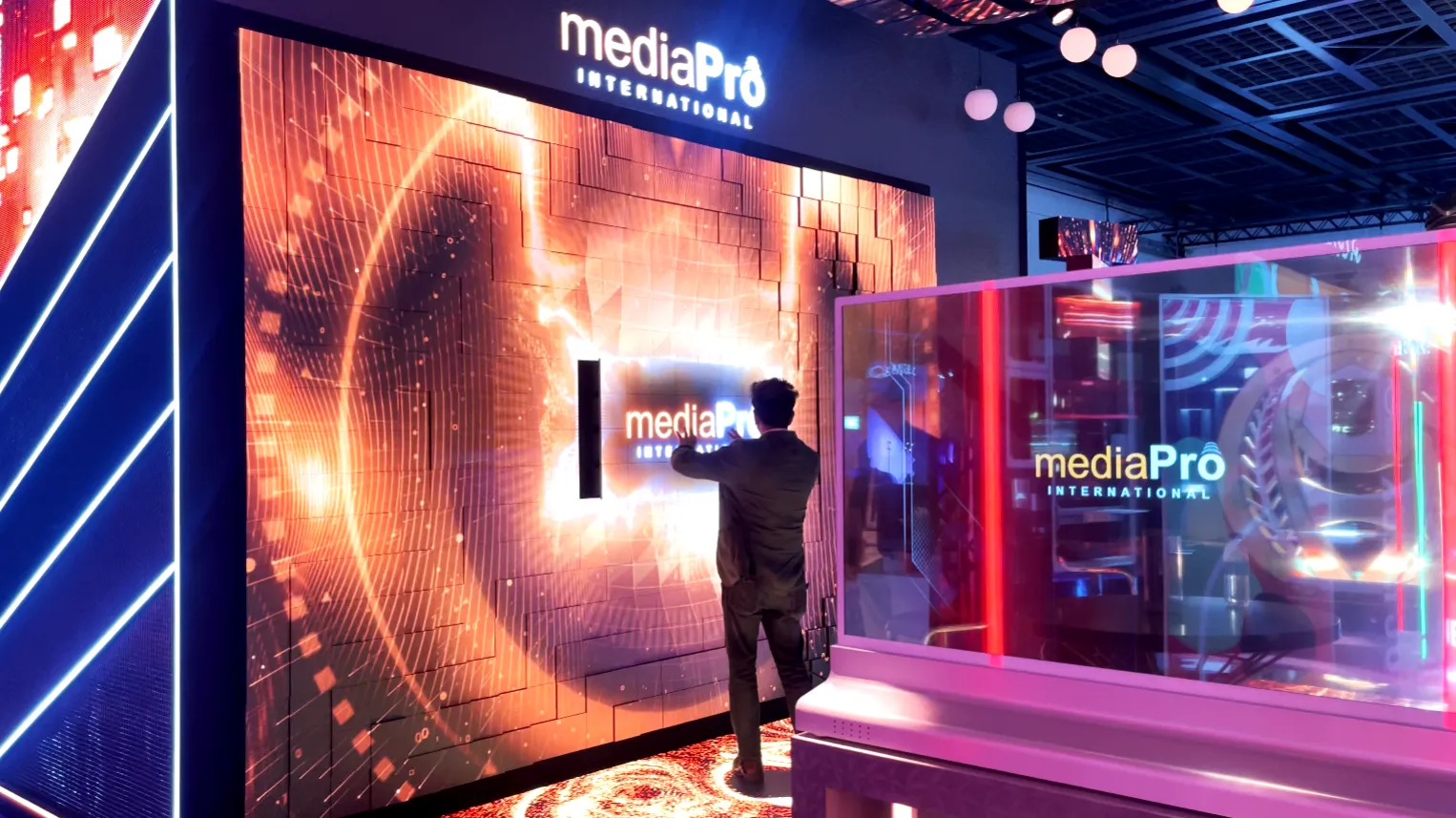
True Physical 3D: Without 3D glasses or visual illusions, the screen surface can truly bulge and concave, forming complex 3D shapes such as Billows, blocks, and totems. Objects in the picture seem to "jump out of the screen" and be within reach.
Four-Dimensional Narrative: It combines 3D space with time (motion) to realize four-dimensional dynamic narrative. The content and form change synchronously, and the visual impact increases exponentially.
In-depth Interaction: Combined with sensors such as radars, cameras, and microphones, the physical movement of the screen can interact in real time with the audience's body movements, sounds, or touches, turning one-way communication into two-way dialogue.
An Evolution from "Display" to "Existence"
Ordinary screens = a painting. They are responsible for displaying information.
Creative screens = a sculpture. They are responsible for shaping space.
Kinetic screens = a living mechanical organism. They are responsible for creating experiences, interpreting stories, and interacting with emotions.
Kinetic screens represent the future direction of display technology: they are no longer accessories of space, but the protagonists of space; no longer passive players of content, but co-creators of content. They perfectly integrate the virtual imagination of digital art with the physical reality of mechanical engineering, opening up unlimited possibilities for brand communication, artistic expression, and public experiences.
From static planes to fixed special shapes, and then to dynamic mechanical matrices, the evolution history of screens is a microcosm of humanity's continuous pursuit of more immersive, interactive, and shocking experiences. And Kinetic screens are standing at the peak of this Billow
.