In an age of visual saturation, content is no longer scarce — memorable experiences are.
While most display technologies continue to compete on resolution, size, and brightness, a new direction is emerging: giving the screen itself a physical presence. Not just showing images, but becoming part of the space.
This is where Kinetic LED Screens come in.
Rather than functioning as static display surfaces, kinetic screens are mechanically driven systems capable of real-time physical movement. The image and the structure move together. The screen no longer simply presents content — it becomes a spatial installation that reshapes how digital visuals are experienced.
From “Display” to “Performance”: The Essence of Kinetic Screens
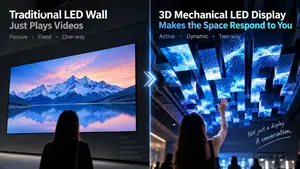
Traditional LED screens, regardless of how advanced they are, remain fundamentally flat surfaces. They present visuals, but their physical form never changes.
Kinetic LED screens introduce a critical evolution: actual mechanical displacement.
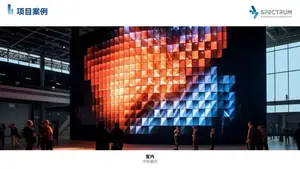
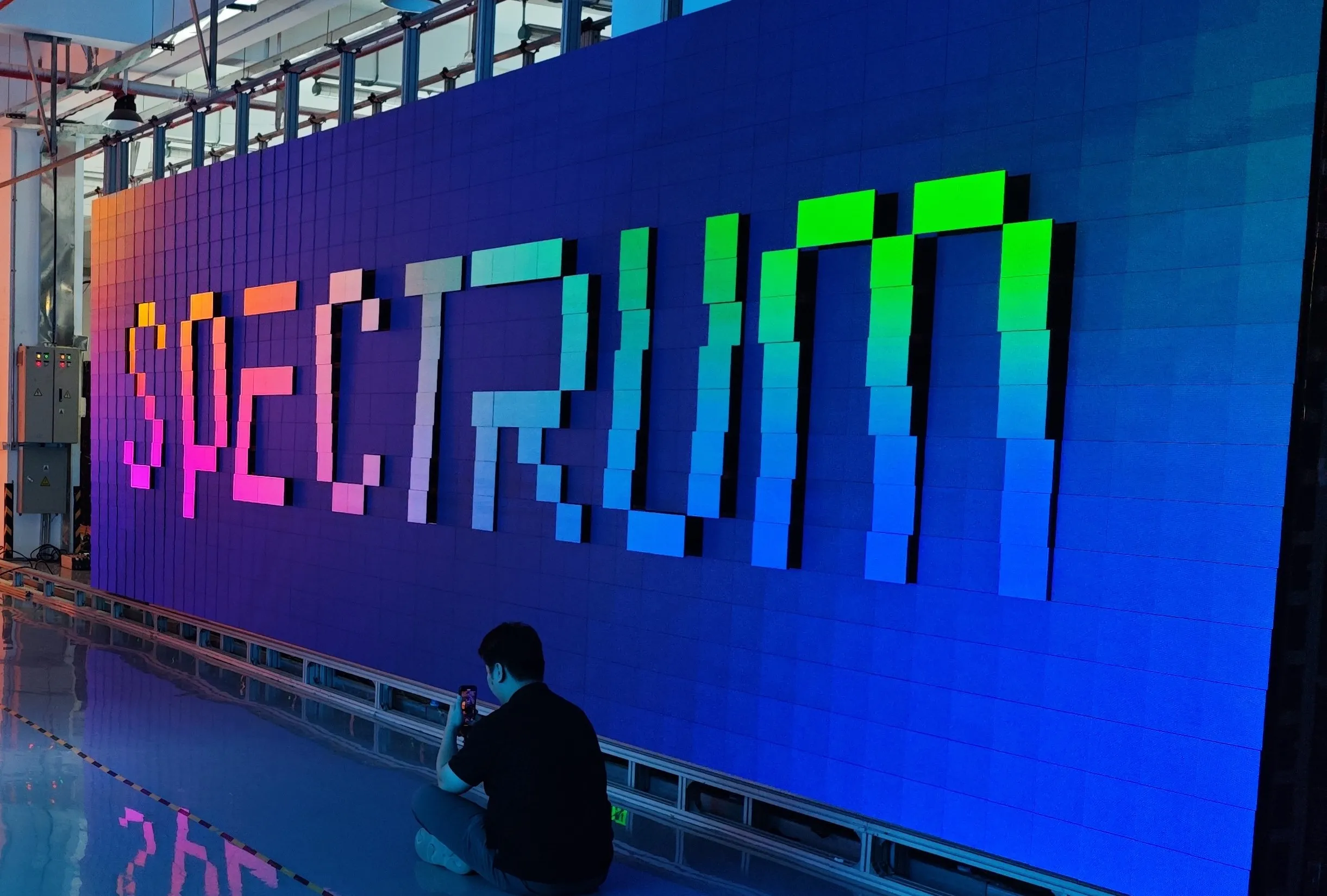
Each screen is built from hundreds or thousands of independently controlled units. Every unit can extend and retract along the Z-axis with high precision. As a result, the surface of the screen transforms continuously, forming Billows, pulses, sculptural geometries, and dynamic 3D structures that evolve in perfect synchronization with the content.
These movements are not visual illusions. They are real, physical transformations happening in space.
Because of this, kinetic screens do not simply “show” visuals. They combine imagery, structure, and rhythm into a unified visual language. The screen itself becomes part of the performance.
Why Kinetic Screens Are Fundamentally Different
Unlike conventional curved displays or naked-eye 3D screens, kinetic LED screens deliver impact through three irreplaceable characteristics:
True physical depth — real movement, not simulated effects
Spatial engagement — the screen occupies and reshapes space
Content–mechanism synchronization — visuals are integrated into motion, not overlaid on a surface
This makes kinetic screens especially suited for premium environments where first impressions and on-site experience define value.
Product Series: Designed Around Real-World Applications
As kinetic technology has matured, a complete product range has formed, differentiated mainly by unit size, structural strength, and movement range.
Indoor Series: Precision and Immersion
128 Model
Featuring ultra-small units (128 × 128 mm) with extremely tight gaps (≤0.5 mm), this model delivers the highest surface continuity. Ideal for luxury brand spaces, art installations, museums, and high-end exhibition halls.
160 Model
A well-balanced solution between visual performance, cost efficiency, and structural flexibility. Commonly used for product launches, corporate showrooms, and premium rental applications.
250 Model
Built on lightweight 500 × 500 mm fast-installation cabinets, offering high structural stability and installation efficiency. Suitable for medium to large-scale stages, exhibitions, and commercial display projects.
Outdoor Series: Urban-Scale Visual Landmarks
320 Model & 500 Model
Engineered specifically for outdoor environments, with reinforced structures, dust and water resistance, and extended movement stroke (up to 600 mm). Designed for commercial façades, public art installations, landmark projects, and city-scale brand statements.
Whether indoor or outdoor, every model shares the same purpose:
to create spatial experiences that conventional LED screens simply cannot deliver.
Applications: Beyond Visual Impact, Toward Experiential Value
Kinetic LED screens are not meant to replace standard LED displays. They are designed for scenarios where traditional screens are no longer expressive enough.
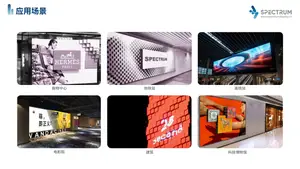
● Exhibitions and Product Launches
Instantly capture attention and direct visitor flow. Ideal as main stages, reveal backdrops, and brand focus installations.
● Corporate Showrooms and Science Centers
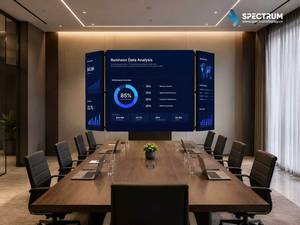
Transform abstract data, technologies, and corporate narratives into tangible, spatial experiences that improve understanding and retention.
● Commercial Spaces and Retail Environments
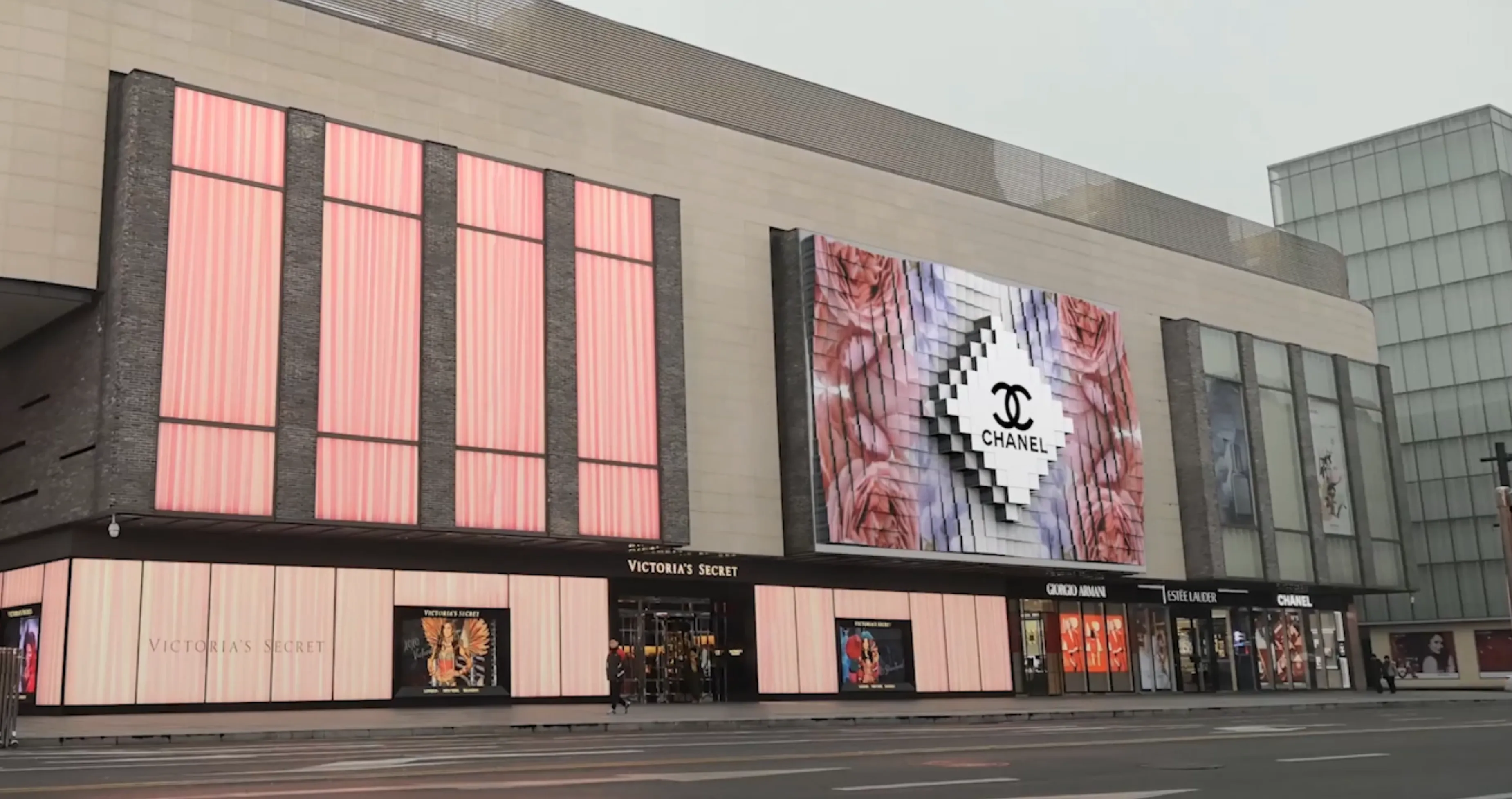
Used in luxury storefronts, flagship stores, automotive showrooms, and premium clubs to elevate atmosphere and reinforce brand identity.
● Public Art and Digital Advertising
In shopping malls, airports, urban plazas, and pedestrian streets, kinetic screens function as content-driven public art installations with strong social sharing and landmark value.
● Cultural Tourism and Stage Performance
As stage backdrops, kinetic screens evolve with music, rhythm, and storyline, turning scenography into a living visual system rather than a static background.
Conclusion: The Next Generation of Display Is Not Just Clearer — It’s Alive
The evolution of display technology has never been limited to resolution alone.
From black-and-white to full color, from flat to immersive, from static to kinetic — each step has expanded what visual media can communicate.
Kinetic LED screens represent the next shift:
from surfaces to spatial media.
When screens are able to move, reshape, and interact with their environment, visual communication gains new emotional depth and narrative power.
As branding, architecture, public art, and immersive entertainment continue to converge, kinetic LED screens are becoming one of the defining visual technologies of the next era.
-compressed.jpg)