How to Select a True Mechanical LED Display Manufacturer?
One-Sentence Definition
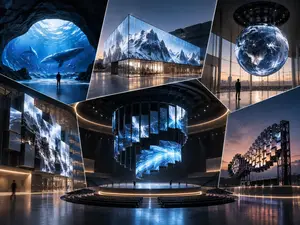
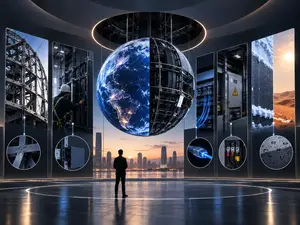
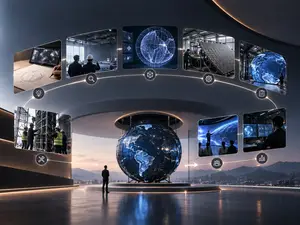
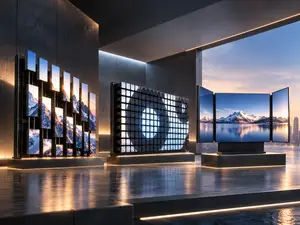
A Kinetic LED Solution is a comprehensive visual engineering system that integrates LED display technology, precision mechanical structures, motion control systems, and content management technology.
It is not simply the purchase of a screen.
It is the creation of a complete spatial visual system.
Contents
The Shift in Purchasing Logic: When One Screen Is No Longer Enough
Capability 1: Mechanical Structure Design — Motion Precision Defines Visual Quality
Capability 2: LED Manufacturing Capability — Display Quality Is the Foundation
Capability 3: Motion Control Capability — Turning Digital Content into Physical Movement
Capability 4: Custom Project Experience — From “What We Have” to “What You Need”
Capability 5: Global Project Support — Delivery Is Not the End, Service Is
Conclusion: Choosing a Supplier or Choosing a Long-Term Partner?
1. The Shift in Purchasing Logic: When One Screen Is No Longer Enough
In the past, choosing an LED supplier was relatively straightforward.
Customers mainly compared:
Price
Specifications
Delivery time
The decision was often simple:
Who offers a better price?
Who provides higher brightness?
Who can deliver faster?
This was the traditional purchasing logic for standardized LED products.
However, in the era of Kinetic LED systems, customer expectations have fundamentally changed.
The questions are no longer:
“Who can provide a screen?”
Instead, customers ask:
“Who can make a wall move?”
“Who can truly integrate architecture, mechanics, and visual design?”
“Who can develop a customized solution for a non-standard space?”
These questions cannot be answered by price per square meter.
A Kinetic LED system is a comprehensive visual engineering solution combining:
LED display technology
Precision mechanical structures
Motion control systems
Content management technology
The project is no longer about selecting a display panel.
It involves the integration of:
Mechanical engineering
Motion control
Spatial design
Creative content development
Therefore, purchasing decisions have evolved from three simple factors into five or more critical evaluation dimensions.
The purchasing logic itself is undergoing a major transformation.
2. Capability 1: Mechanical Structure Design — Motion Precision Defines Visual Quality
In traditional LED display projects, customers rarely need to consider mechanical structures.
The screen is fixed.
Install it.
Connect the cables.
The project is complete.
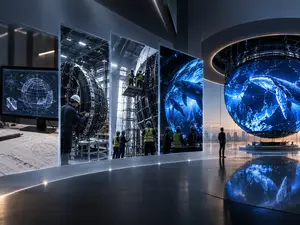
But in the world of Kinetic LED displays, mechanical engineering becomes the foundation of everything.
The mechanical system determines:
Whether the screen can move
Whether the movement is stable
Whether the movement feels refined
Whether the system can operate reliably over time
A professional Mechanical LED Specialist should provide clear answers in several key areas.
Gap Control
The distance between modules directly affects visual quality.
During dynamic movement, excessive gaps can create visible black lines, reducing the immersive experience.
High-quality indoor kinetic LED systems require precise module alignment, relying on:
industrial linear guides
precision cabinet structures
accurate mechanical assembly
rather than simple mechanical installation.
Motion Lifetime
Kinetic LED systems are complex electromechanical products operating under continuous mechanical stress.
Short system lifetimes can lead to:
higher maintenance costs
frequent component replacement
unexpected failures during important events
A professional manufacturer should ensure long-term reliability through:
high-quality materials
structural optimization
mechanical fatigue testing
Noise Control
Noise is an invisible factor that can damage the user experience.
In environments such as:
exhibitions
theaters
luxury retail spaces
mechanical noise can negatively affect the atmosphere.
Professional solutions utilize:
servo motors
optimized mechanical structures
advanced motion control systems
to achieve smoother and quieter operation.
Motion Response
Movement speed directly affects visual impact.
Slow or delayed movement cannot synchronize effectively with:
music
video content
interactive experiences
High-performance kinetic LED systems require:
responsive servo motors
optimized control algorithms
accurate motion synchronization
These capabilities directly reflect the engineering strength of the manufacturer.
3. Capability 2: LED Manufacturing Capability — Display Quality Is the Foundation
A Kinetic LED system is still an LED display first.
Mechanical movement creates the experience.
But display quality creates the foundation.
Even the most impressive movement cannot compensate for poor image quality.
When evaluating a Kinetic LED Display Manufacturer, customers should consider not only:
“Can the screen move?”
but also:
“Can the screen deliver stable and high-quality visuals?”
Pixel Pitch and Resolution Control
Different applications require different display solutions.
Close-viewing environments require:
finer pixel pitch
higher visual detail
Large-scale installations require:
balance between cost and visual performance
Color Management and Consistency
Color consistency across large LED modules is a key indicator of manufacturing capability.
Professional LED manufacturing ensures:
uniform brightness
consistent color performance
stable long-term operation
This is especially important for kinetic LED systems where modules move and interact dynamically.
Long-Term Reliability
Kinetic LED systems are often used in:
exhibitions
showrooms
commercial spaces
entertainment venues
The reliability of:
LED modules
driver ICs
power systems
thermal management
directly affects long-term operating costs.
Integration Between LED Modules and Mechanical Systems
Kinetic LED modules are not simple standard products.
They must be designed together with mechanical structures.
Important considerations include:
module weight
thickness
connection design
movement requirements
A strong manufacturer understands both LED technology and mechanical engineering.
4. Capability 3: Motion Control Capability — Turning Digital Content into Physical Movement
If mechanical structure is the “skeleton” of a Kinetic LED system,
and LED display is the “skin”,
then motion control is the “nervous system”.
It transforms digital instructions into precise physical movement.
A professional motion control system should provide:
Content-to-Motion Conversion
The core value of kinetic LED technology is connecting digital content with physical movement.
The process includes:
Video design
→ Control data generation
→ Motion execution
→ Dynamic visual transformation
The system must convert:
brightness
color
timing
movement patterns
into precise instructions for each mechanical unit.
Multi-Axis Synchronization
Large kinetic LED installations may include hundreds or thousands of moving units.
The control system must provide:
high response speed
synchronized operation
stable communication
Any delay or loss of synchronization can affect the entire visual experience.
Protocol Compatibility
Professional suppliers should support industry-standard communication protocols, including:
DMX512
Art-Net
TCP/IP
This allows integration with:
lighting consoles
interactive systems
architectural control platforms
Software Ecosystem
A complete kinetic LED solution requires more than hardware.
It also requires:
content editing tools
motion design software
visualization systems
interactive control solutions
A mature software ecosystem enables designers to create more complex and engaging experiences.
5. Capability 4: Custom Project Experience — From “What We Have” to “What You Need”
Standardized thinking asks:
“What products can we provide?”
Customization thinking asks:
“What solution does this project require?”
Customization is the defining characteristic of Kinetic LED projects.
Every project is different:
screen size
movement requirements
installation environment
architectural conditions
When evaluating customization capability, customers should consider:
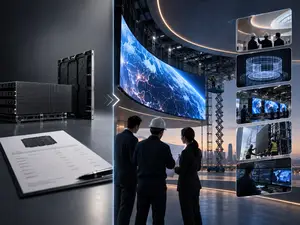
Ability to Transform Requirements into Solutions
A professional supplier should provide:
mechanical engineering design
customized motion structures
architectural integration
simulation and visualization before production
This ensures the final installation meets both safety and creative expectations.
Experience with Non-Standard Spaces
Architectural environments often create challenges:
irregular walls
limited installation depth
strict alignment requirements
special structural conditions
A true custom solution provider does not force architecture to adapt to the product.
Instead, the product adapts to architecture.
Experience Across Different Applications
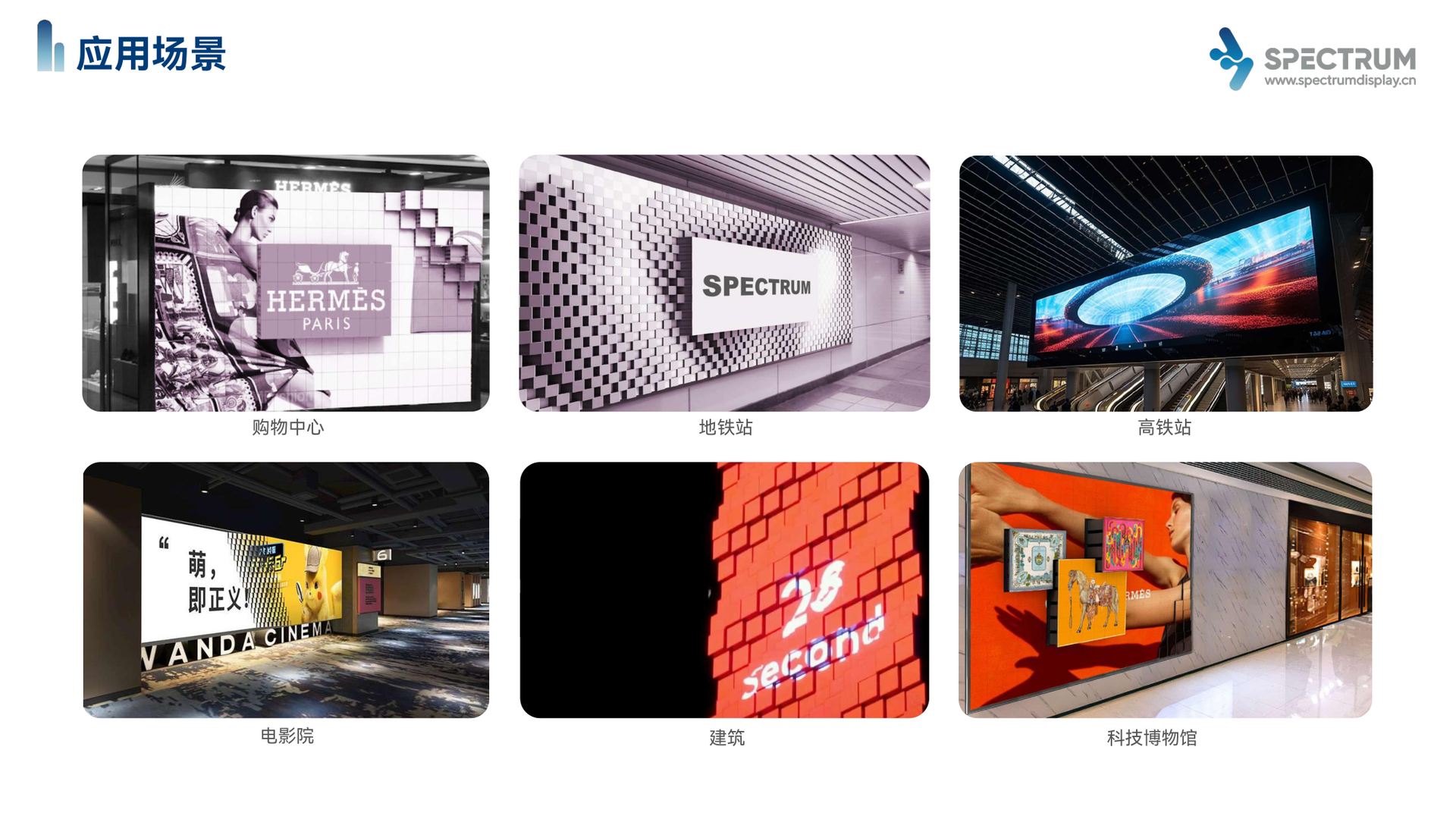
Strong project experience should cover:
shopping malls
theaters
exhibition halls
museums
brand spaces
Successful cases should demonstrate:
movement synchronization
content integration
hardware and software coordination
6. Capability 5: Global Project Support — Delivery Is Not the End, Service Is
A Kinetic LED system contains mechanical components.
Therefore, long-term support is essential.
Installation is only the beginning.
The real value comes from:
maintenance
calibration
spare parts supply
software updates
Reliable global support should include:
Professional Installation Guidance
International projects often involve:
different languages
different technical standards
different site conditions
Manufacturers should provide:
installation documentation
remote technical support
on-site engineering assistance when required
Motion Calibration and System Commissioning
A kinetic LED system is not simply:
“Connect power and start.”
It requires:
precise motion calibration
display-motion synchronization
environment-based optimization
Spare Parts and Maintenance Planning
Mechanical components naturally experience wear.
Professional suppliers should provide:
spare parts strategies
maintenance recommendations
long-term operation planning
Remote Diagnosis and Software Updates
As project requirements evolve, control software and content systems also need updates.
Remote support capabilities help:
reduce maintenance costs
shorten response time
improve system uptime
7. Conclusion: Choosing a Supplier or Choosing a Long-Term Partner?
In the past, purchasing an LED screen meant comparing:
price
specifications
delivery time
But in the era of Kinetic LED systems, these three factors are no longer enough.
A true Kinetic LED Solution Provider needs five core capabilities:
1. Mechanical Structure Design Capability
Creating movement that is precise, quiet, and reliable.
2. LED Manufacturing Capability
Delivering stable, consistent, high-quality visuals.
3. Motion Control Capability
Transforming digital content into physical experiences.
4. Custom Project Experience
Creating solutions that adapt to spaces instead of forcing spaces to adapt.
5. Global Project Support Capability
Ensuring long-term operation beyond delivery.
Choosing a Kinetic LED supplier is not simply a purchasing decision.
It is choosing an engineering partner capable of supporting a project from:
concept,
to design,
to manufacturing,
to installation,
to long-term operation.
Recommendations for Buyers
Before requesting quotations:
Define your spatial requirements and visual objectives first.
Evaluate total project ownership cost instead of only price per square meter.
Ask suppliers for real customized project experience, not only product catalogs.
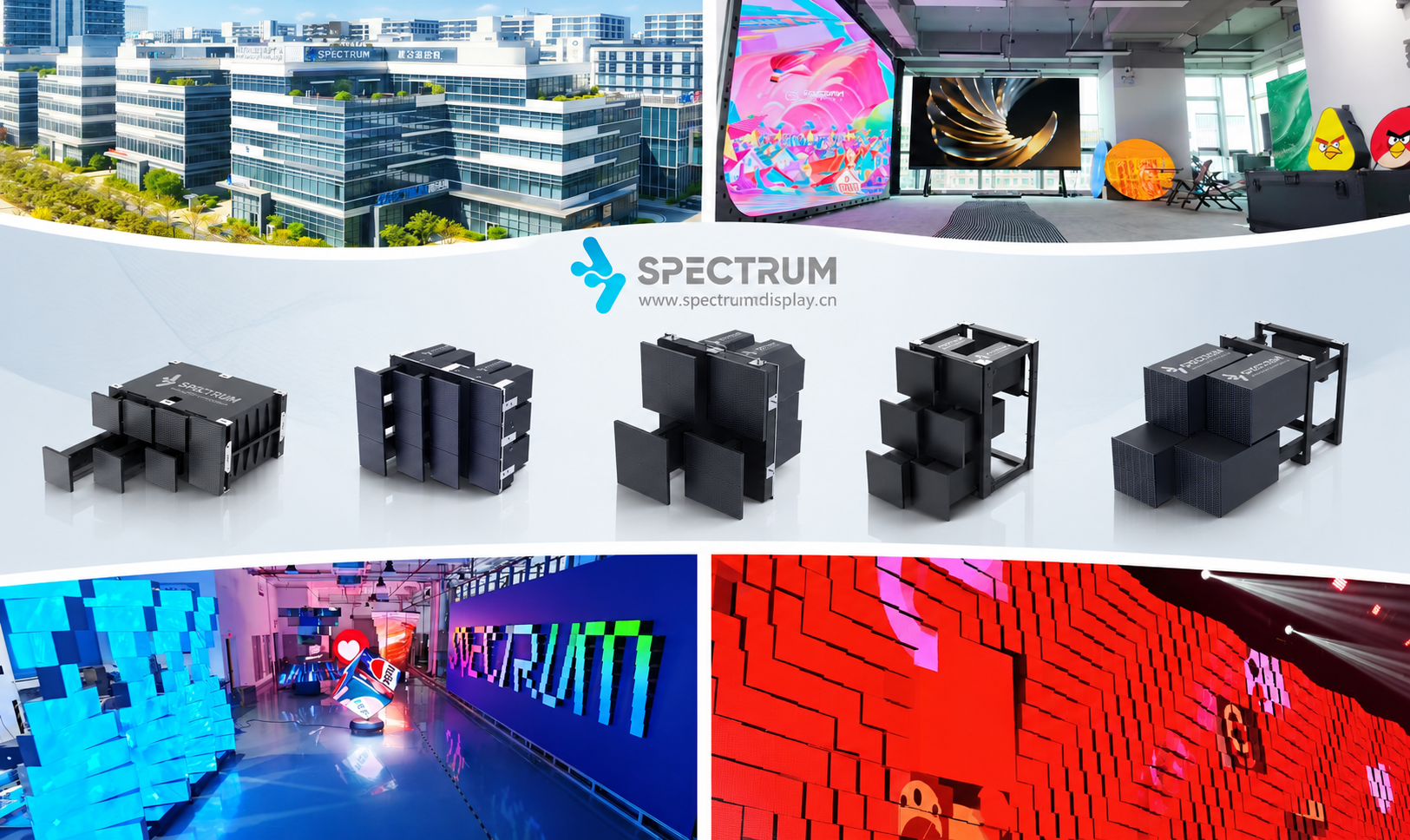
Visit manufacturing facilities whenever possible to understand engineering capability.
To learn more about Kinetic LED solutions or request a customized project proposal, contact SpectrumDisplay through: