① Definition: What is a 3D Kinetic LED Screen?
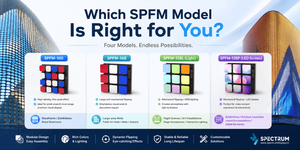
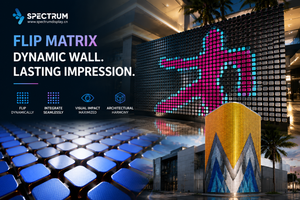
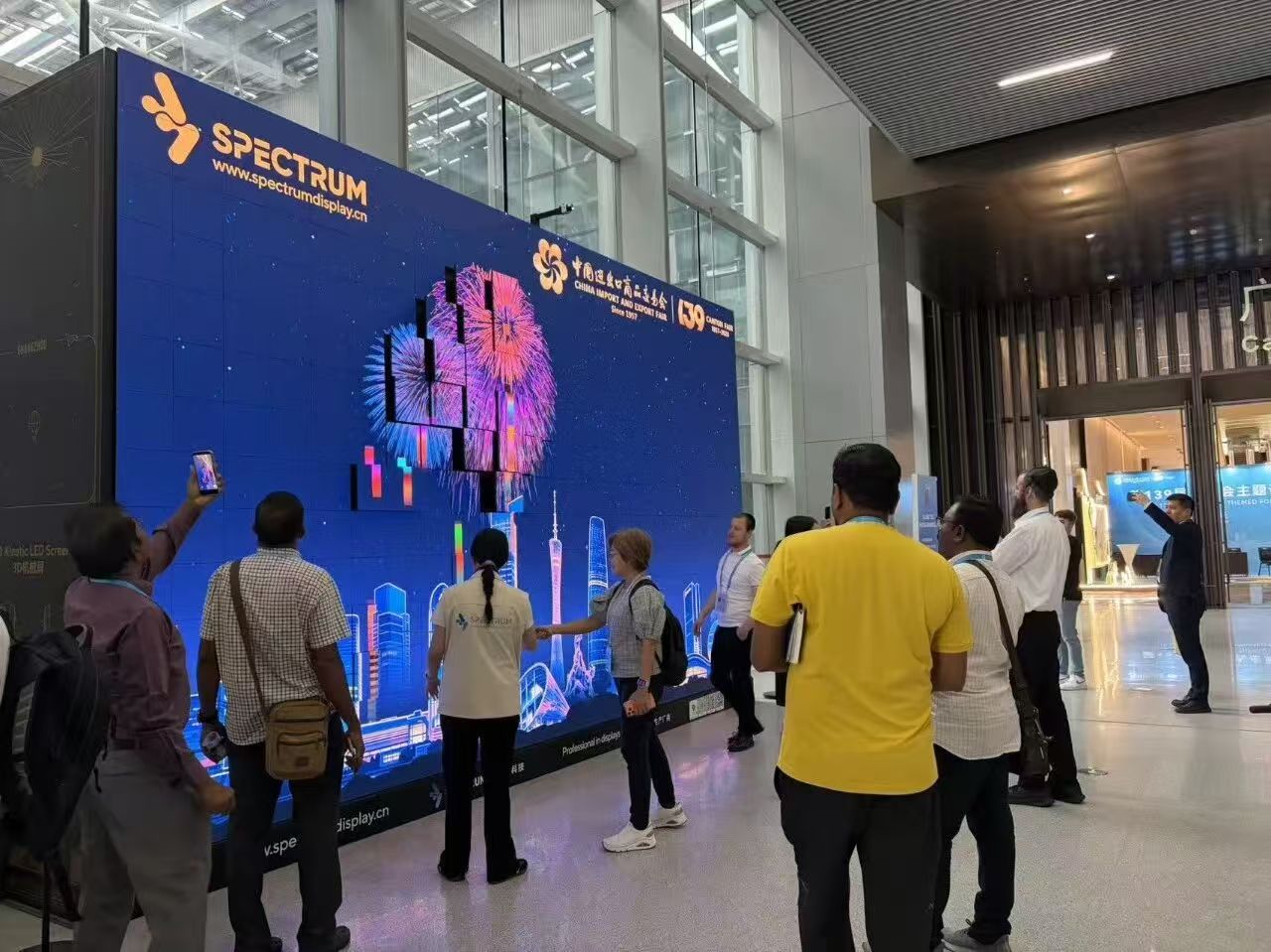
A kinetic screen represents the ultimate integration of digital art and precision mechanics. Building upon a high-definition LED display, it grants each independent screen module a physical Z-axis, allowing the screen to actually extend and retract in perfect harmony with the playing video.
② The Problem: "Stuttering Blocks" Destroying Premium Visuals
Many clients fall into the trap of believing that simply buying a moving screen guarantees viral success. However, without hardcore transmission technology, the equipment is prone to severe motor latency and mechanical disjointedness. When the physical movement of the screen fails to keep pace with the video rhythm, the anticipated breathtaking effect turns into a pile of "stuttering building blocks." This not only destroys the aesthetic but looks incredibly cheap. To truly captivate experienced overseas buyers, businesses desperately need a visual marketing solution where software and hardware synchronize flawlessly.
③ Key Applications: The Ultimate Canvas for High-End Visuals
This equipment, perfectly fusing digital content with physical kinetic energy, is reshaping the visual experience in top-tier commercial environments:
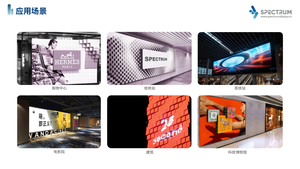
High-End Digital Art Galleries (exhibition): Serving as the core visual installation, turning abstract digital concepts into tangible physical waves.
Global Brand Product Launches (stage events): Delivering an extremely futuristic and tech-driven dynamic backdrop right at the moment of product unveiling.
Mega-Mall Landmarks (commercial display): Transforming standard high-ceiling atriums into highly shareable, social-media-ready visual centerpieces.
Disruptive Outdoor Media (advertising): Breaking the form limits of a traditional flexible LED display, allowing ad visuals to literally leap off the wall alongside a real mechanical matrix.
④ Product Explanation: Decoding the "Dual 3D Effect"
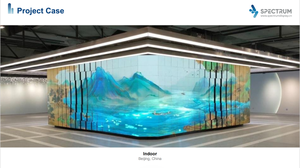
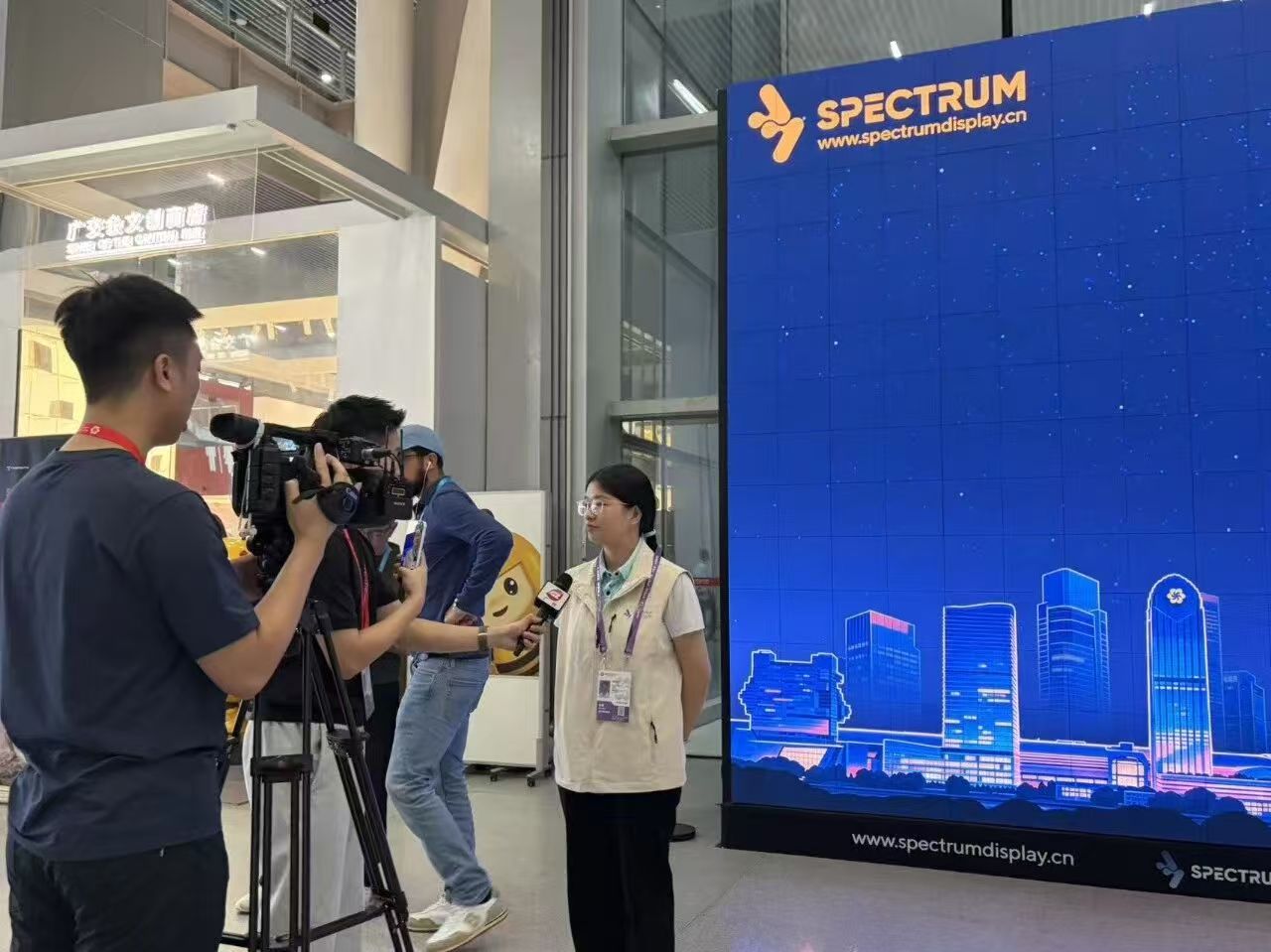
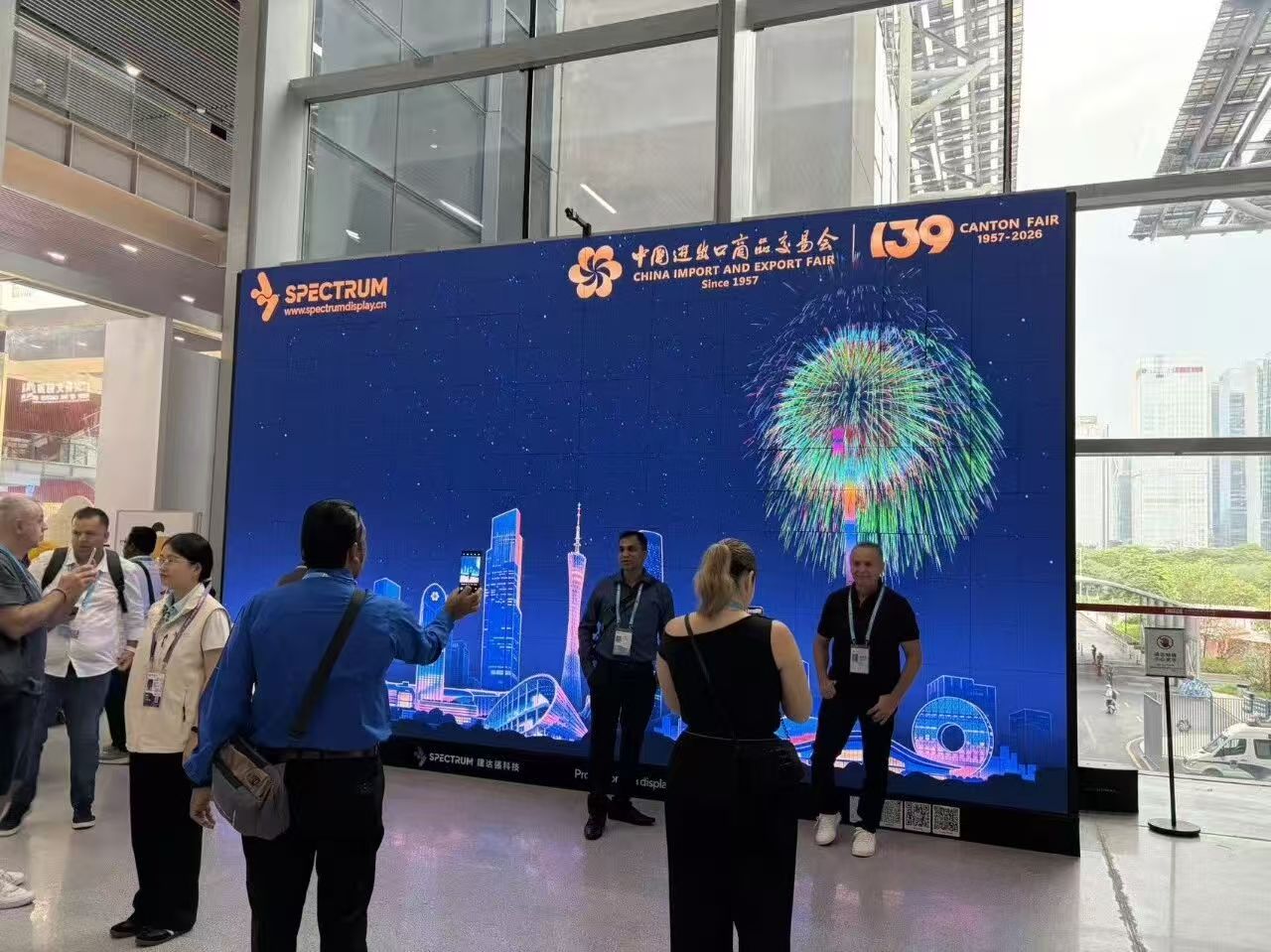
Take the viral Canton Fair corridor screen as a perfect example. When the magnificent 3D video of fireworks and the Canton Tower played, SpectrumDisplay's underlying closed-loop servo motors played the decisive role. They ensured that hundreds of moving modules operated with zero latency and silky smoothness. This ultra-precise physical hardware extension perfectly synchronized with the custom 3D video content, creating an unparalleled kinetic matrix visual effect. This is our signature "Dual 3D Effect"—the picture is three-dimensional, and the physical screen itself thrusts forward. This flawless integration of hardware and content is the true traffic code that made countless foreign buyers stop and film with their phones.
⑤ Delivering Complete Visual Ecosystems, Not Just "Iron Blocks"
SpectrumDisplay is a premium LED manufacturer headquartered in the global tech and innovation hub of Shenzhen, China. As an industry-leading global supplier deeply involved in digital exhibitions, we provide far more than just cold mechanical hardware. From precision assembly to zero-latency central control systems and 3D video content matching, we deliver a complete, ready-to-run kinetic visual ecosystem that guarantees a jaw-dropping audience experience.
⑥ Frequently Asked Questions (FAQ)
Q1: What is a kinetic LED screen?
A: It is an intelligent display matrix merging high-definition LED technology with precision mechanical transmission. It doesn't just play 3D videos; its physical surface physically extends and retracts to match the content.
Q2: Why do standard moving screens fail to deliver the same impact as the Canton Fair screen?
A: The secret lies in the synchronization rate. Standard equipment uses cheap motors that cause mechanical stuttering. SpectrumDisplay uses high-end closed-loop servo motors, guaranteeing millisecond-level sync between physical movement and video content.
Q3: Where is it used?
A: It is primarily utilized in high-end brand activations, digital art museums, large-scale international trade shows, and premium commercial complexes looking to create viral visual landmarks.