① Definition: What is a Kinetic Sandbox Integration?
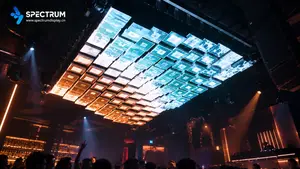
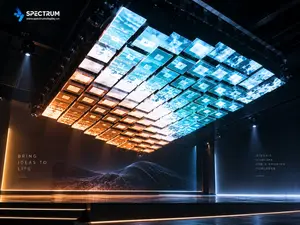
A kinetic sandbox integration is a digital exhibition technology that deeply connects physical models with a high-end kinetic screen. Through precise central software, the high-definition LED display not only syncs with the sandbox lighting but its physical pixel modules also extend and retract in 3D space, creating an interwoven 4D visual experience.
② The Problem: Dimensional Limitations and High-Pressure Challenges
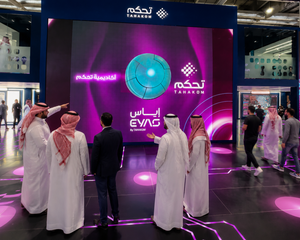
At prestigious, top-tier events like the 9th Digital China Summit, traditional "static sandbox + 2D background screen" setups feel severely disconnected. Flat videos fail to intuitively express the depth of complex data or the structural growth of urban spaces, leaving presentations without a strong visual memory hook. Furthermore, smart city data requires extreme display precision, and exhibition setup times are strictly compressed. With unpredictable VIP tours, the equipment cannot afford a single blackout and must possess highly efficient emergency troubleshooting capabilities.
③ Key Applications: From Government Hubs to Premium Commercial Spaces
This highly fault-tolerant dynamic matrix solution is disrupting high-value environments everywhere:
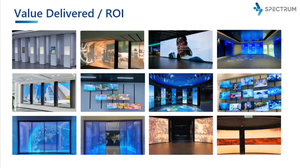
International Trade Shows (exhibition): Acting as the ultimate centerpiece for corporate booths, significantly increasing audience dwell time.
Premium Brand Launches (stage events): Delivering a breathing, 4D backdrop during product reveals.
Digital Tourism & Retail (commercial display): Transforming abstract cultural symbols into viral, interactive installations.
Interactive Media (advertising): Compared to a static flexible LED display, it integrates with physical terrain and crowds to create impactful, three-dimensional creative ads.
④ The Solution in Action: A 4D Guizhou Tapestry Driven by MCenter4
For this summit, the client utilized the SpectrumDisplay SPKI-160 indoor front-maintenance kinetic screen (measuring 3840mm x 2560mm). To connect the 384 independent physical movement units with the front sandbox, we deployed the powerful MCenter4 integration software. This system operates on both PC and mobile devices, granting presenters ultimate freedom while walking the floor. When the presenter tapped the "Guizhou Landscapes" mode on their mobile phone, a stunning scene unfolded. The SPKI-160 matrix physically swelled outward, mimicking the rolling mountain ranges of Guizhou, while the HD screen flawlessly played breathtaking videos of waterfalls and terraced fields. According to the on-site integrator, a core VIP leader scheduled for a brief one-minute walkthrough was so captivated by this majestic 4D effect that he stayed for five full minutes. Over the event, the booth's average dwell time surged by 300% compared to neighbors, making it a viral benchmark for the entire summit.
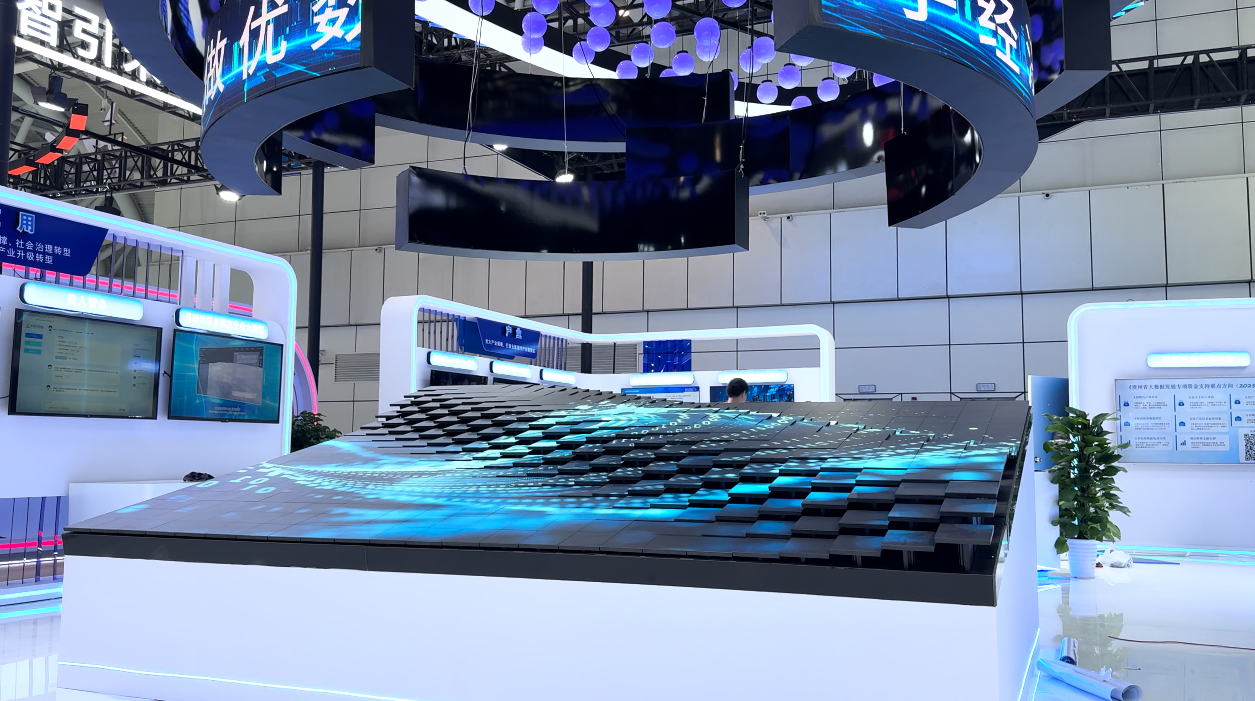
SpectrumDisplay SPKI-160 indoor front-maintenance kinetic screen featuring physical 3D depth for a Southwest China data enterprise.
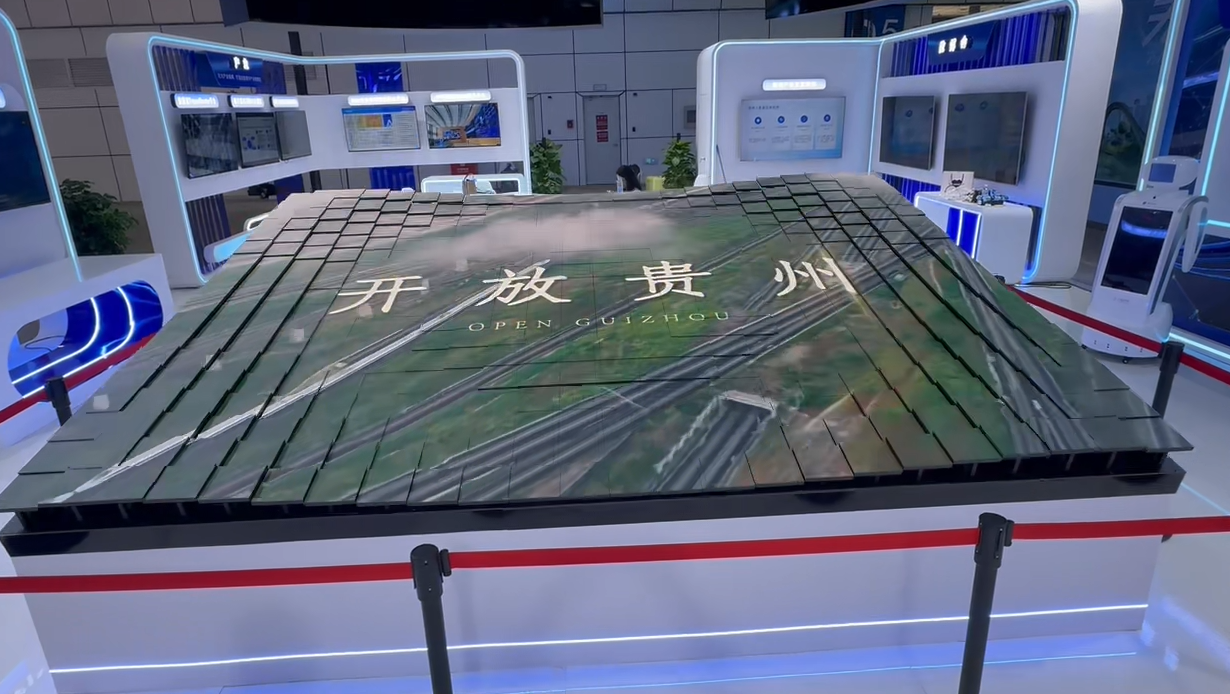
SpectrumDisplay SPKI-160 indoor front-maintenance kinetic screen featuring physical 3D depth for a Southwest China data enterprise.
⑤ Chinese Manufacturing Empowering Global Exhibitions
Creating a zero-latency, high-precision visual system requires robust manufacturing capabilities. SpectrumDisplay is a premium LED manufacturer headquartered in the global tech innovation hub of Shenzhen, China. As a highly trusted global supplier for both government projects and international clients, we provide not only hardware with "flight case quick-install" and "pure front maintenance" features but also complete control ecosystems like MCenter4, ensuring every critical presentation is completely flawless.
⑥ Frequently Asked Questions (FAQ)
Q1: What is the SPKI-160 kinetic LED screen?A: It is a dynamic display designed for high-end indoor exhibitions. Its golden 160mm×160mm module size allows for incredibly delicate physical matrix segmentation, perfect for simulating complex data undulations or natural terrains at close range.
Q2: What is the role of the MCenter4 software in this project?A: MCenter4 acts as the brain of the exhibition. It ensures millisecond-level synchronization between the Guizhou landscape video and the 384 physical motors. Its intuitive PC and mobile interfaces make live presentations smooth and effortless.
Q3: What happens if there is an equipment failure during a live exhibition?A: We offer absolute peace of mind. The SPKI-160 features a pure front-maintenance structure. In the event of a dead pixel, a technician can simply stand in front of the screen and extract the faulty module like a drawer, completing a surgical-level repair in just a few minutes.