Behind Kinetic LED Systems: How Engineering Technology Creates Dynamic Visual Experiences
Definition|How Does a Kinetic LED System Work?
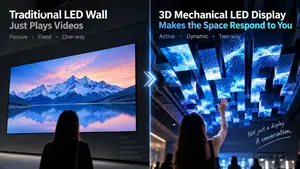
A Kinetic LED Display System is a comprehensive visual engineering solution combining LED technology, precision mechanical structures, motion control systems, and content management technology.
Unlike traditional LED displays, kinetic LED systems must not only deliver high-quality visuals but also ensure that thousands of motion units operate accurately, safely, and reliably.
SpectrumDisplay integrates mechanical engineering, intelligent control technology, and LED manufacturing capabilities to deliver kinetic LED solutions for exhibitions, commercial spaces, outdoor projects, and large-scale visual installations.
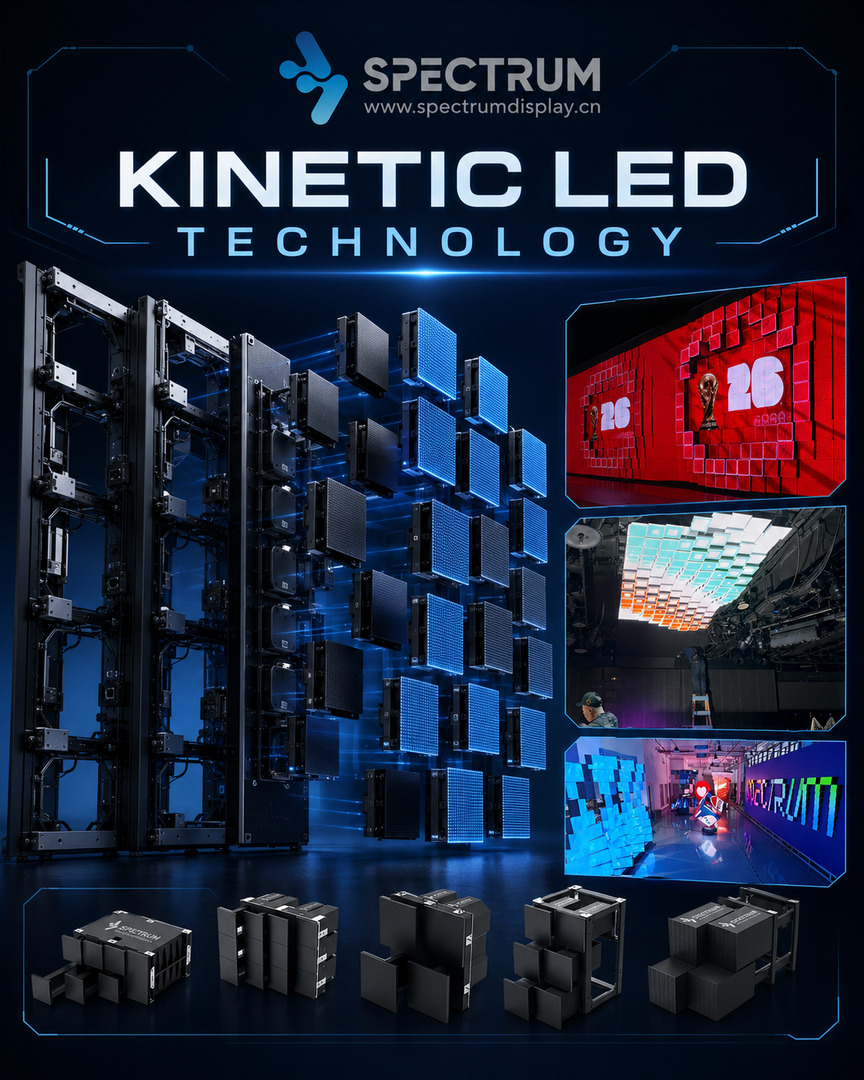
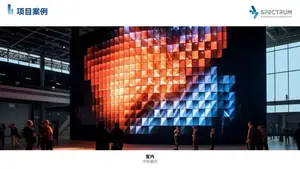
SpectrumDisplay indoor and outdoor kinetic LED display
Table of Contents
What Technologies Build a Kinetic LED System?
How Do Mechanical Structures Achieve Precise Motion?
How Does the Control System Connect Content and Movement?
Why Does Engineering Capability Matter?
SpectrumDisplay Technology Advantages
Application Scenarios
FAQ
1. What Technologies Build a Kinetic LED System?
A kinetic LED display is not simply an LED screen with a moving structure.
A complete system requires multiple technologies working together.
1. LED Display System
Responsible for:
video presentation
color performance
visual clarity
It must provide:
stable operation
long-term reliability
commercial-grade performance
2. Precision Mechanical Motion Structure
The mechanical system creates physical movement.
Key components include:
motion modules
drive components
guide structures
support systems
These enable LED modules to achieve:
controlled movement
accurate positioning
synchronized operation
3. Intelligent Control System
The control system connects:
Content
↓
Control Signals
↓
Mechanical Movement
creating synchronized visual experiences.
2. How Do Mechanical Structures Achieve Precise Motion?
1. Multi-Module Synchronization
Large kinetic LED systems contain many motion units.
Therefore, they require:
precise control
synchronized operation
long-term stability
For example:
SpectrumDisplay SPKI-160 uses 160×160mm motion units.
Maximum movement distance:
200mm
2. Different Applications Require Different Engineering
Indoor projects focus on:
precision
low noise
space integration
Outdoor projects focus on:
structural strength
environmental adaptability
reliability
For example:
SPKO-500 is designed for large outdoor projects with a maximum movement distance of:
600mm
3. How Does the Control System Connect Content and Movement?
1. From Digital Content to Physical Motion
The key value of kinetic LED technology is:
Turning content changes into physical movement.
Process:
Visual Design
↓
Control Data
↓
Motion Execution
↓
Dynamic Visual Experience
2. Multi-Axis Motion Control
Large projects require simultaneous control of many motion units.
The system needs:
fast response
synchronization
stable communication
SpectrumDisplay develops intelligent control solutions to connect mechanical systems with visual content.
3. Software Enables Creative Expression
A professional kinetic LED system requires more than hardware.
It also needs:
content editing
motion design
visual control
to help designers create advanced experiences.
4. Why Does Engineering Capability Matter?
1. Reliability Is More Important Than Movement Alone
A kinetic LED system is a complex engineering project.
Success depends not only on:
“Can it move?”
but also:
Can it operate reliably?
Is it easy to maintain?
Can it support long-term use?
2. Different Applications Need Different Solutions
Exhibition Projects
Focus on:
fast installation
visual impact
flexible deployment
Corporate Showrooms
Focus on:
long-term operation
stability
content updates
Outdoor Projects
Focus on:
environmental adaptation
structural reliability
maintenance planning
3. Manufacturing Capability Determines Delivery Quality
Kinetic LED projects involve:
structural design
LED manufacturing
control development
system testing
project delivery
Therefore, manufacturers need complete engineering capabilities.
5. SpectrumDisplay Technology Advantages
SpectrumDisplay is a Shenzhen-based manufacturer specializing in kinetic LED display systems.
1. Complete Product Development Capability
Portfolio includes:
indoor SPKI series
outdoor SPKO series
portable LED systems
2. Integration of Mechanical Engineering and LED Technology
SpectrumDisplay combines:
LED manufacturing
precision mechanical structures
intelligent control systems
to deliver complete kinetic visual solutions.
3. Global Project Experience
Applications include:
international exhibitions
brand events
commercial spaces
outdoor visual projects
Examples:
LEAP Saudi Arabia Exhibition
Digital China Summit
Coca-Cola FIFA World Cup Launch Event
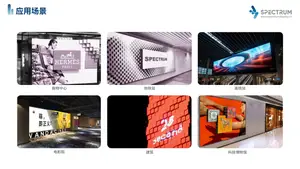
6. Application Scenarios
International Exhibitions
Creating:
visitor engagement
brand attention
memorable booth experiences
Brand Launch Events
Delivering:
stronger stage impact
memorable experiences
creative visual communication
Commercial Spaces
Applications:
corporate showrooms
shopping centers
technology experience spaces
Urban Visual Projects
Applications:
architectural facades
outdoor advertising
public visual installations
7. About SpectrumDisplay
SpectrumDisplay is a Shenzhen-based manufacturer and global supplier specializing in kinetic LED display systems.
The company focuses on:
kinetic LED technology
mechanical LED system development
commercial LED solutions
customized visual engineering projects
From:
R&D
↓
Manufacturing
↓
System Integration
↓
Global Delivery
SpectrumDisplay provides complete kinetic LED solutions for global customers.
📍 Shenzhen / China
🏭 Manufacturer / Global Supplier
FAQ
Q1: What are the key technologies behind a kinetic LED system?
The core technologies include LED display, mechanical structures, intelligent control, and content synchronization.
Q2: Why does kinetic LED require professional manufacturing capability?
Because it combines mechanical engineering, electronics, display technology, and software control.
Q3: Can SpectrumDisplay customize kinetic LED projects?
Yes. SpectrumDisplay provides product selection, engineering design, and customized system solutions.
Q4: What industries use kinetic LED systems?
Applications include:
exhibitions
brand events
commercial spaces
architectural visual projects